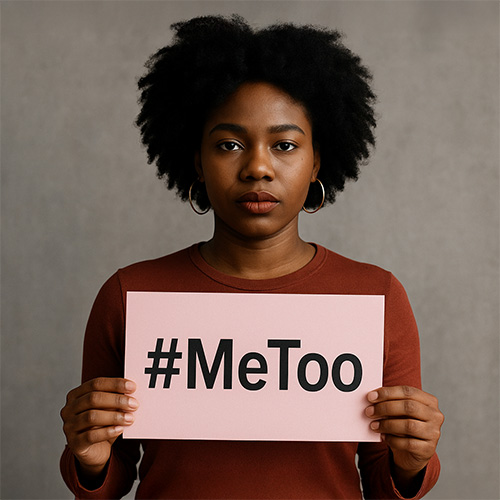
Naming, Blaming but Not Claiming: Intersectionality, Power and Sexual Harassment in the Workplace Post #MeToo
by Neemah Ahamed, University of Sussex
Published in Amicus Curiae, Series 2 Vol. 7, No.1 30-66 (2025)
Abstract
In the context of #MeToo, addressing workplace sexual harassment is a critical issue. This article discusses aspects of the author’s empirical work on the role of intersectional identities in influencing Black women’s perceptions of their workplace sexual harassment and pursuit of access to justice in England and Wales and elaborates further on its findings in light of recent legal developments. It draws on Felstiner, Abel and Sarat’s “Naming, Blaming, Claiming” framework (1980- 1981) to examine the extent to which Black women in England and Wales seek redress for their harms. It argues that aspects of Black women’s intersecting identities, including their race, gender, and physical characteristics interact with workplace power dynamics to negatively inform their decisions to blame and claim and shape their assumptions about being stereotyped by their employers and lawyers/the legal system. It concludes that, while the Black women tend to name and blame, there was a hesitancy to claim.